
Key Takeaways
- Comprehending cellar inundation issues
- Practical methods to avert cellar waterlogging
- Gardening approaches to minimize flooding hazards
- Consistent upkeep routines for flood prevention
- Readiness plans for cleaning up after water damage
Understanding Basement Flooding
Basement flooding can lead to significant damage and costly repairs, making it essential to understand its common causes. Floods often occur due to heavy rainfall that overwhelms the drainage system, leading to water backup in storm drains or clogged sewers. Poor grading around basements can direct water toward the property, exacerbating the issue. Without effective basement waterproofing measures, floodwater can seep through walls and floors, creating an unsafe environment. Homeowners can mitigate risks by learning how to prevent basement flooding through proper drainage solutions, regular maintenance of drains, and careful monitoring of potential issues. Addressing these factors is crucial to maintaining dry, healthy basements.
Common Causes of Basement Flooding
Basements often flood due to several factors that can be linked to deficiencies in drainage systems. A water leak from pipes can lead to significant water damage if not addressed promptly. Failed drain tiles or blocked storm sewers can result in excess storm water pooling around the foundation. This overwhelming water pressure can break through watertight barriers, leading to serious flooding issues. Homeowners must be aware of how to prevent basement flooding by ensuring their drainage channels are clear and functioning properly.
Heavy rainfall and rapid snowmelt can also contribute to basement flooding. If the local sewer system is overwhelmed, backflow can cause water to enter basements, leading to severe damage. Improper grading around the home may direct water towards the foundation instead of away from it. Utilizing waterproofing measures such as sealing cracks in walls and floors can help mitigate these risks. Understanding these causes is essential for any homeowner looking to effectively prevent future basement flooding incidents.
- Regularly inspect and clean gutters and downspouts to prevent water accumulation.
- Ensure sump pumps are functioning properly and have a backup system in place.
- Maintain proper landscaping and grading to direct water away from the foundation.
- Seal any cracks in basement walls and floors to minimize water entry points.
- Install window well covers to prevent water from entering through basement windows during storms.
- Monitor water pressure around the foundation to identify potential weaknesses before flooding occurs.
- Consider professional waterproofing solutions if flooding persists despite preventive measures.
Risks Associated with a Flooded Basement
A flooded basement poses significant risks to the structural integrity of a home. Excess moisture can weaken foundation walls and damage plumbing systems. In urban areas, heavy rainstorms can lead to surface water runoff that overwhelms stormwater systems and causes the sanitary sewer to back up. Without proper measures like backflow preventers, this can result in contaminated water entering basements. Understanding how to prevent basement flooding becomes vital in areas prone to flooding or those located in a designated floodplain.
Mold and mildew thrive in damp environments, making a flooded basement a prime breeding ground for these harmful substances. Exposure to excess moisture can also have serious health implications for residents, especially for those with respiratory issues. Using hoses to redirect rainwater away from the foundation can mitigate flooding risks. Regular maintenance, such as inspecting drainage systems and ensuring proper grading, is essential for effectively managing water runoff and safeguarding your home from potential damage.
Effective Strategies on How to Prevent Basement Flooding
Preventing basement flooding requires a proactive approach to manage water flow and pressure around your home. Homeowners should consider installing French drains to redirect groundwater away from the foundation. Addressing issues like soil erosion can also be crucial in maintaining a dry basement environment. Regular inspections of plumbing fixtures can help identify leaks before they become significant problems. Proper insulation and drainage systems around vulnerable areas, such as laundry rooms and washing machine connections, can significantly reduce the risk of water infiltration. Managing sewage and water run-off effectively plays a vital role in how to prevent basement flooding, ensuring that excess water does not accumulate near the foundation. Implementing these strategies not only safeguards against basement flooding but also enhances the longevity of the home.
- Regularly clean gutters and downspouts to prevent blockages.
- Ensure that the landscape slopes away from the house to encourage proper water drainage.
- Install a sump pump to remove excess water that may accumulate in the basement.
- Use waterproof paint or sealant on basement walls to create a moisture barrier.
- Check and replace damaged foundation seals and caulking as needed.
- Maintain a proper grading around your property to divert water flow away from the foundation.
- Consider using water-resistant materials in your basement renovation projects.

Installing a Sump Pump
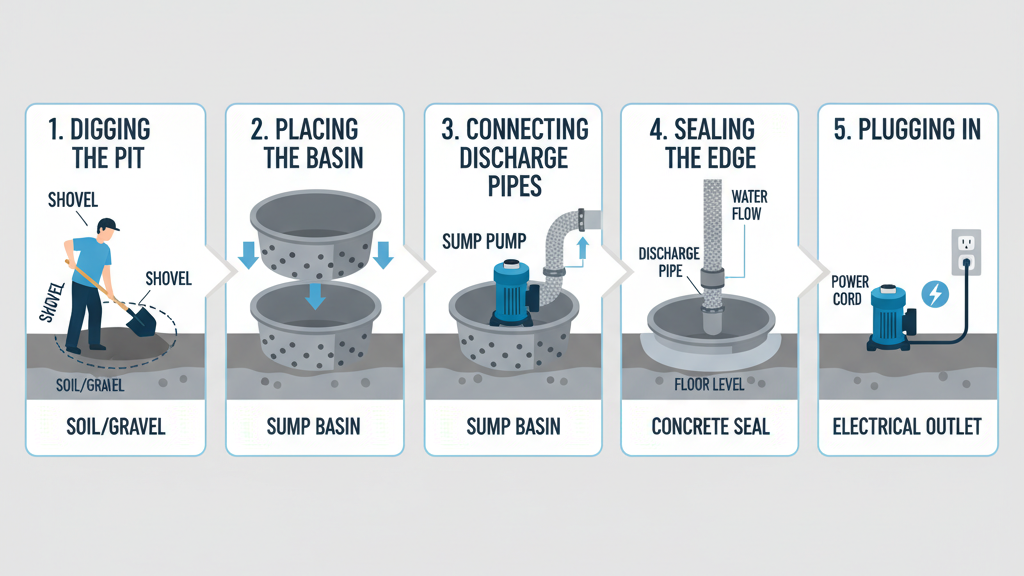
A sump pump is an essential component in a basement waterproofing system designed to combat basement water problems. By actively removing water that accumulates in a sump basin, it significantly reduces the risk of a flooded basement. Understanding how to prevent basement flooding starts with realizing the importance of a sump pump, especially in areas prone to heavy rainfall or localized flooding. Having an operational sump pump can prevent a major basement flood and mitigate the costly consequences of basement water damage.
For effective flooded basement cleanup, a sump pump can be invaluable in emergency basement cleaning scenarios. It allows for efficient basement water removal, minimizing the time that water sits in the space. This rapid response helps prevent further damage and makes flooded basement cleaning much more manageable. Homeowners should regularly check the pump’s functionality to ensure it is ready to tackle any potential basement floods, safeguarding their property against the threats of wet basements.
Proper Grading and Drainage Solutions
Proper grading and effective drainage solutions are essential for how to prevent basement flooding. A well-graded yard directs water away from basement walls, reducing the risk of basement moisture that can lead to serious flooding. Installing an under-floor drainage system can enhance this protection by effectively channeling water that may accumulate under the basement floor. It’s crucial to inspect your foundation and basement walls regularly to identify potential issues that could compromise the integrity of your home.
Block drainage systems can also play a pivotal role in managing runoff during heavy rainfall. These systems complement other drainage solutions by ensuring excess water is diverted away from vulnerable areas, such as basement windows. After implementing these measures, it is advisable to seal cracks with a waterproofing compound to further bolster defenses against moisture intrusion. Those seeking assistance may consider hiring basement cleanup services for legitimate basement cleaning and maintenance to keep the area dry and prevent future issues.
Sealing Cracks and Openings
Identifying and sealing cracks and openings is essential for how to prevent basement flooding. Small fissures in walls or the concrete basement floor can allow water to seep in, especially during heavy rains or snowmelt. By addressing these entry points, homeowners can maintain a dry basement more effectively. A thorough inspection can reveal not just visible cracks but also potential drainage issues that may contribute to yard drainage problems. Applying waterproof sealants and employing dry basement systems can significantly mitigate the risk of water intrusion into the space.
Beyond sealing existing cracks, establishing a below-grade drainage system enhances protection against flooding. This can include installing below-slab perimeter drainage and ensuring proper surface drainage around the exterior of the home. Effective drainage solutions can redirect water away from the foundation, reducing the likelihood of seepage. For successful basement renovation or restoration projects, focusing on these preventative measures creates a more resilient environment. Homeowners should regularly check for new openings and repair them promptly to effectively combat flooding and maintain overall structural integrity.
Landscaping Techniques to Reduce Flood Risk
Implementing effective landscaping techniques is crucial for how to prevent basement flooding, particularly in areas prone to heavy rainfall. One effective approach involves creating rain gardens and retention basins that help absorb storm sewer water, allowing free drainage away from the house. It is essential to incorporate proper grading to direct water flow towards these areas, reducing the risk of house floods. Utilizing an exterior drainage system, such as a perimeter drain system or drainage mat, can efficiently manage water runoff. Updating drainage to include a well-maintained drainage pipe and ensuring that private sewer drains are clear can significantly enhance protection. Additionally, applying exterior basement coatings can further shield foundations from moisture intrusion, complementing interior drainage systems effectively.
| Landscaping Technique | Purpose | Benefits |
|---|---|---|
| Rain Gardens | Absorb Stormwater | Reduces runoff, improves water quality |
| Retention Basins | Manage Excess Water | Prevents flooding, supports drainage |
| Proper Grading | Direct Water Flow | Reduces water pooling around the foundation |
| Perimeter Drain System | Capture Runoff | Enhances drainage efficiency |
| Exterior Basement Coatings | Protect Foundations | Prevents moisture intrusion for lasting durability |
Using Rain Gardens and Retention Basins
Rain gardens and retention basins serve as effective strategies to manage stormwater runoff, playing a crucial role in how to prevent basement flooding. These features can significantly reduce the risk of water leaking into basements by capturing and filtering rainwater before it enters the sewer system. By integrating a specialized drainage channel within these gardens, excess water can be directed away from homes and into dedicated drain systems, minimizing the chance of painful floods that can lead to serious moisture problems. Ensuring proper configuration to connect to nearby storm sewer will enhance functionality and protect against the overwhelming influx of city sewer water during heavy rainfall.
Implementing extensive tile and pipe drainage systems around rain gardens and retention basins can further aid in effective water damage cleanup after storms. This proactive approach can alleviate issues caused by disconnect hoses that may often contribute to water retention in the yard. Maintaining these systems helps manage water/moisture levels, ensuring that basements remain dry and safeguarded from the risks of flooding. With the right landscaping, homeowners can create a resilient environment that not only beautifies their property but also serves as a barrier against water-related disasters.
Choosing Appropriate Plants for Wet Areas
Selecting the right plants for wet areas plays a significant role in managing excess moisture around your property. Choosing native species that thrive in typical moisture levels can stabilize soil and absorb rainwater efficiently. These plants can also help mitigate risks like sewer backups and water intrusion into foundation walls, a critical factor in how to prevent basement flooding. Integrating watertight options, such as drain tile systems and effective drainpipe installations, can further enhance drainage while allowing moisture-loving plants to flourish.
A well-planned landscape with appropriate vegetation can divert excess water away from the home’s foundation. Plants native to the region are more likely to withstand heavy rain and adapt to seasonal changes. Incorporating free-draining sand in your garden beds will improve soil aeration and enhance water infiltration. This strategy supports both water leak detection efforts and essential ceiling cleaning practices, minimizing the likelihood of a flooded basement. Understanding which plants are best suited for these wet conditions can be a fundamental aspect of your overall flood prevention plan.
Regular Maintenance Practices
Regular maintenance is essential for ensuring a dry basement and preventing flooding. Regularly inspecting gutters and downspouts is crucial; they should be clear to direct water away from your foundation. The use of splash blocks can help further channel water away from entry points. During heavy rainstorms, check hoses for leaks and ensure that exterior water sources are not contributing to high groundwater levels. Small leaks can lead to serious erosion over time, especially if they go unnoticed. Re-sealing cracks in the foundation and installing a perforated drainpipe can significantly reduce the risk of water accumulation. These practices not only protect your space but can also be vital during a basement renovation, ensuring a safe environment free from free-flowing water problems.
Inspecting Gutters and Downspouts
Regularly checking gutters and downspouts is essential for effective water control around your home. Clogged gutters can cause water to overflow and pool around the foundation, leading to potential water damage. Ensuring that drainpipes direct water away from vulnerable areas is crucial. Installing water alarms can help detect any unexpected water accumulation. Utilizing splash blocks at the end of downspouts creates an extra layer of protection by redirecting water away from exterior foundation walls, mitigating the risk of foundation cracks.
Blockages in gutters can result in water falls that contribute to flooding in basements. Keeping gutters clean prevents plumbing problems related to excess water pooling near vulnerable openings. A proactive approach includes conducting a thorough water damage assessment after heavy rainfall. Inspecting and maintaining gutters and downspouts can ultimately form a reliable line of defense on how to prevent basement flooding, safeguarding your home from costly repairs and ensuring a dry living space.
Cleaning Drains and Vents
Regularly inspecting and cleaning drains and vents is essential in how to prevent basement flooding. Clogged gutters and open pipes can cause water to back up and seep into your home. This can lead to unique water damage, especially if the water accumulates on a concrete floor slab. Implementing a free-draining membrane around your foundation can enhance your drainage system, reducing the risk of water pooling near foundation piering.
Routine maintenance of these areas helps monitor water pressure and ensures that your property stays dry. Neglecting to clean these systems can also increase the likelihood of mold damage cleanup down the line. Utilizing an irrigation tool can aid in managing drainage in areas with low permeability soils. A proactive approach will help prevent significant issues and the challenging cleanup that follows basement flooding events.
Emergency Preparedness for Flooded Basement Cleanup
Being prepared for potential flooding in your basement is crucial, especially during heavy rains. Understanding how to prevent basement flooding starts with managing water flow effectively around your property. Installing lawn irrigation tools can help direct water away from the foundation, reducing the likelihood of water intrusion. Temporary reservoirs can serve as a safeguard, holding excess water and preventing it from reaching critical areas. Regular cleaning of gutters and downspouts ensures they remain unobstructed, allowing for efficient drainage. Monitoring water levels with a water leak detector provides early warnings, helping to mitigate damage from leaks. With proactive measures in place, homeowners can protect their basements from the threat of water, especially during periods of intense rainfall.
Safety Precautions Before Cleanup
Before starting any cleanup after a basement flood, assessing the risks is crucial. A flooded basement may indicate issues such as foundation cracking or burst pipes. Checking the floor slab for any signs of weakness is important. Look for soggy spots that could signal water pooling or runoff infiltrating through openings. Proper precautions can help prevent further foundation damage and ensure a safer restoration process.
Ensuring safety involves turning off the power supply to avoid electrical hazards. Wear protective gear before entering the flooded area, as contaminated water may pose health risks. Identifying clogs in pipes is essential to prevent additional water from accumulating. An airtight seal on any openings can help keep below-grade water table fluctuations under control. Understanding how to prevent basement flooding is vital for future resilience.
| Safety Precaution | Description | Importance |
|---|---|---|
| Turn Off Power | Disconnect electrical supplies to prevent electrical shocks. | Reduces risk of electrocution in contaminated water. |
| Wear Protective Gear | Use gloves, boots, and masks to avoid direct contact with contaminated water. | Protects against potential health hazards from bacteria and chemicals. |
| Check for Structural Damage | Inspect for cracks or weak spots in walls and floors. | Prevents further injury or damage during cleanup operations. |
| Secure Openings | Seal doors and windows to block water entry. | Helps mitigate future flooding risks by leaving no entry points. |
| Identify Clogs | Assess drainage pipes for blockages to avoid further flooding. | Ensures efficient water removal and stops accumulation of water. |
Conclusion
Understanding how to prevent basement flooding involves identifying key risk factors and implementing effective strategies. Regularly inspecting foundations for cracks and ensuring proper sealing can significantly reduce moisture intrusion. Utilizing tools like a sump pump and a childproof cover can help keep utilities safe during heavy rains. Smart landscaping choices, such as installing a slab-gutter or rain garden, play a crucial role in directing water away from the foundation. Maintaining clean gutters and downspouts is essential to prevent overflow and subsequent flooding. With these proactive measures, homeowners can achieve a dry and secure basement environment.
FAQS
What steps can I take to ensure my basement remains dry and prevent flooded basements?
To prevent flooded basements, you should start by inspecting your foundation and basement walls, and then seal cracks with a waterproofing compound. It’s also essential to update drainage systems and ensure extensive tile/pipe drainage around your property. Installing water alarms can alert you to any water/moisture issues, and having functioning exterior drainage systems will obstruct water flow. If you have sewer lines that connect to the municipal storm sewer, ensure those are clear of clogging. Taking these preventative measures will aid in basement restoration and keep your basement dry.
What measures can I implement to minimize water/moisture issues in my basement and prevent flooding?
To prevent flooding in your basement, it’s important to inspect your foundation and basement walls, and then seal cracks with a waterproofing compound. Additionally, consider installing under-floor drains and water alarms to alert you of potential issues. Ensuring that water lines are properly maintained and reviewing the condition of sewer mains can further reduce the risk of water-related problems. For those undergoing a basement renovation, it’s also advisable to incorporate an eight-step water restoration plan to safeguard against future moisture intrusion.
How can I effectively install water alarms to prevent water/moisture issues during my basement renovation?
To effectively install water alarms and prevent water/moisture issues during your basement renovation, make sure to place them in potential flood zones and low-lying areas of the basement. This ensures that you are alerted at the first sign of unwanted water. Additionally, consider upgrading your water services to improve drainage and further minimize the risk of flooding.
What techniques can I employ to ensure my basement is secure from water and moisture issues during renovations?
To ensure water and moisture do not become an issue during your basement renovation, consider employing techniques such as using waterproofing membranes, installing proper drainage systems, and ensuring that you have adequate ventilation. It’s also important to check for any leaks and seal cracks in the foundation to make sure water does not enter, which can help keep your basement dry and prevent water-related problems.
What are the best practices to follow for maintaining a dry basement during renovations to avoid water and moisture problems?
To maintain a dry basement during renovation and avoid water/moisture issues, it’s crucial to implement proper drainage systems, ensure good waterproofing on walls and floors, and regularly check for potential leaks. Additionally, utilizing dehumidifiers can help control moisture levels, while conducting thorough inspections before and after the basement renovation will help identify any vulnerabilities to water damage.
What are some effective strategies for managing water/moisture issues in my basement during a renovation project?
When planning a basement renovation, it’s essential to consider several strategies to manage water/moisture effectively. First, ensure proper drainage around the foundation to prevent water from pooling near your basement. Installing a sump pump can also be beneficial to remove any accumulated water. Additionally, using waterproofing sealants on walls and floors will help to block moisture. Before starting your basement renovation, evaluate the humidity levels and consider dehumidifiers to keep the air dry, which is crucial in maintaining a safe and dry environment throughout the renovation process.
What precautions should I take to avoid water/moisture problems in my basement during a renovation project?
To avoid water/moisture issues in your basement during a renovation project, it is essential to assess your current drainage systems and ensure they are functioning properly. Additionally, consider using waterproof materials and sealants, installing a sump pump if necessary, and maintaining proper ventilation to manage humidity levels effectively. Implementing these measures can significantly help in preventing complications related to water/moisture during your basement renovation.
How can I prepare my basement for renovation to avoid water and moisture problems?
To prepare your basement for a renovation and ensure it is secure from water/moisture issues, consider implementing proper waterproofing techniques, checking for drainage efficiency, and installing sump pumps. These steps will help mitigate the risk of flooding and provide a dry environment conducive to successful basement renovation.
What considerations should I have in mind regarding water/moisture management for a successful basement renovation?
When planning your basement renovation, it is essential to address water/moisture issues to prevent future problems. Ensure proper drainage systems are in place, use moisture-resistant materials, and consider installing dehumidifiers to manage humidity levels. This proactive approach will help secure your basement during the renovation process and minimize the risk of water/moisture damage.
What are some tips for managing water/moisture issues effectively during a basement renovation?
To address water/moisture concerns during a basement renovation, it’s crucial to implement preventive measures such as waterproofing the walls, using moisture-resistant materials, and ensuring proper drainage systems are in place. Regular inspections and maintaining ventilation can further enhance the effectiveness of your water/moisture management strategy throughout the basement renovation process.