
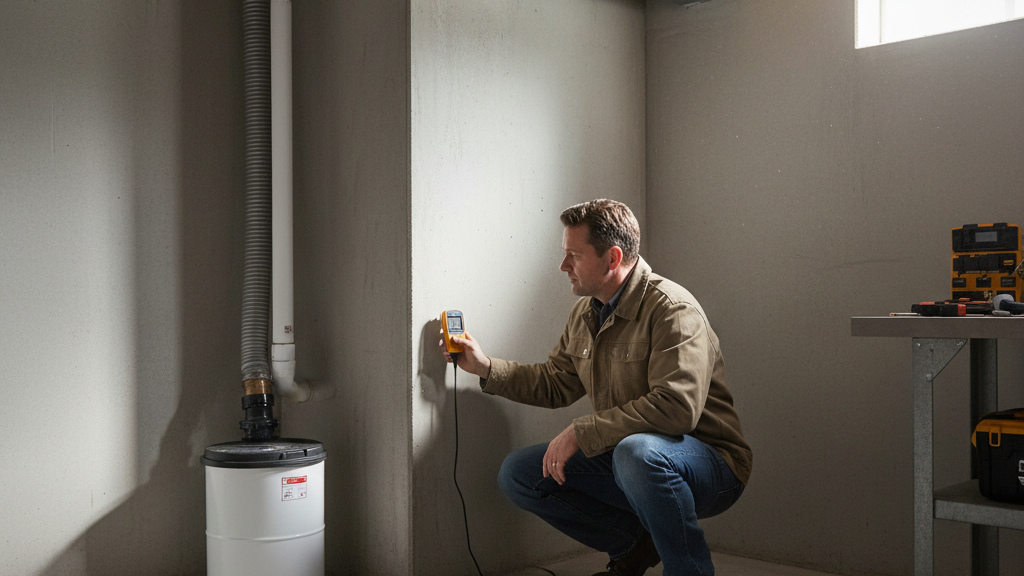
The best way to prevent basement flooding is to keep water moving away from your foundation: grade the soil so it slopes away from the house, keep gutters and downspouts clear and extended, seal cracks, and install a reliable sump pump with a backup if your lot collects water. Regular inspections catch small leaks before they become costly damage.
Why do basements flood?
Water finds the lowest point, and a basement is often exactly that. Most flooding comes from one of a few sources:
- Surface runoff: rain that pools against the foundation because the ground slopes toward the house or downspouts empty too close to the walls.
- Groundwater pressure: saturated soil pushes water through cracks, joints and gaps around pipes.
- Sewer or drain backups: heavy storms can overwhelm municipal lines and push water up through floor drains.
- Plumbing failures: burst supply lines, failed water heaters and leaking washing machine hoses.
Basements are less common in San Diego than in many parts of the country, but homes with basements, below-grade garages, crawl spaces or hillside lots can still take on water during winter storms and atmospheric river events.
How should the yard be graded around the foundation?
The ground next to your house should slope away from the foundation so rainwater drains outward. Over time, soil settles and flower beds get built up, which can reverse that slope. Adding compacted soil to restore a gentle outward grade is one of the least expensive flood-prevention steps. Keep mulch and soil several inches below siding and weep screeds so water does not wick into the wall.
How do gutters and downspouts help?
A roof sheds a large volume of water during a storm. Clogged gutters overflow right beside the foundation, and short downspouts dump water where you least want it. Clean gutters before the rainy season, check that they drain toward the downspouts, and use extensions or splash blocks to carry water several feet away from the house. Where a yard is flat, a buried drain line or a dry well can move water farther away.
Do you need a sump pump?
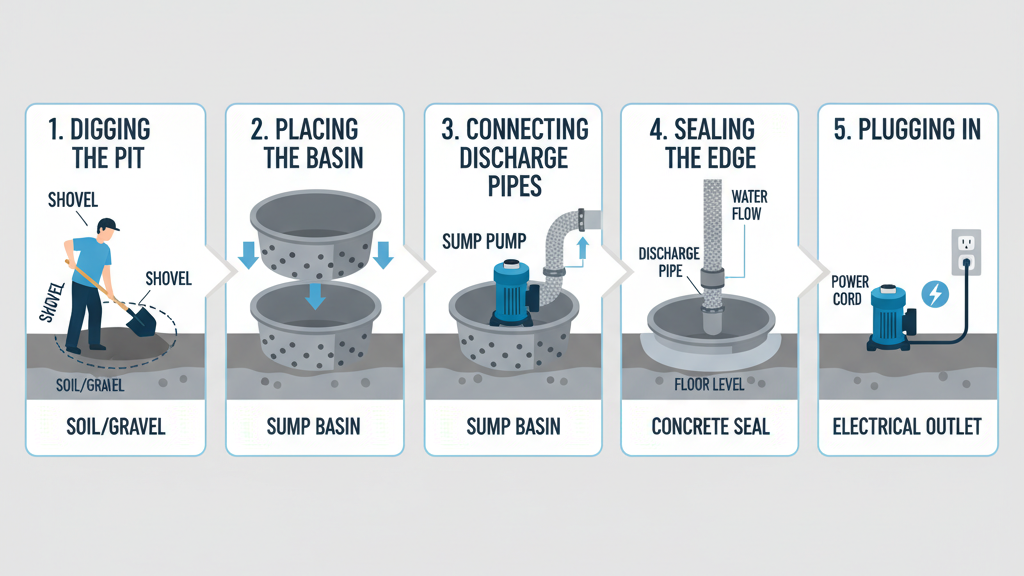
If water collects under or around your basement floor, a sump pump is often the most important line of defense. The pump sits in a pit at the lowest point, and when water rises, a float switch turns it on and pushes the water out through a discharge line. Understanding how to prevent basement flooding with a properly sized pump system, and how to maintain it, can save a great deal of cleanup and repair work.
A few practical tips:
- Test the pump before the rainy season by pouring water into the pit and confirming it starts and drains.
- Keep the pit free of debris and make sure the discharge line is not frozen, crushed or blocked.
- Consider a battery backup pump, since storms often knock out power right when you need the pump most.
- Install a check valve so water in the discharge line does not flow back into the pit.
How do you seal and waterproof basement walls?
Hairline cracks in concrete are common, but any crack that leaks, widens or lets in soil should be addressed. Interior options include crack injection and waterproof coatings, while exterior waterproofing involves excavating around the foundation and applying a membrane with drainage behind it. Interior drain tile systems that route water to a sump pit are another common solution. For structural cracks or ongoing leaks, get an assessment from a qualified waterproofing contractor or structural engineer.
Can a backwater valve stop sewer backups?
A backwater valve lets wastewater leave the house but closes when water tries to flow back in from the sewer. It is a good option for homes with floor drains or plumbing fixtures below street level. Installation usually requires a licensed plumber and may need a permit, so check local requirements first.
What regular maintenance reduces flood risk?
- Inspect the foundation, window wells and exterior walls each year for new cracks or gaps.
- Clean gutters and check downspout extensions before storms.
- Replace old washing machine hoses and inspect the water heater for corrosion or leaks.
- Keep window well covers in place and drains clear.
- Store valuables and important papers off the floor in sealed plastic bins.
- Consider water leak alarms near the sump pit, water heater and laundry area.
How does humidity fit into the picture?
Even without standing water, basements can be damp. High humidity encourages mold, musty odors and damage to stored items. A dehumidifier, good ventilation and a well-maintained HVAC system all help manage humidity levels. Insulating cold water pipes also reduces condensation drips.
What should you do if the basement floods anyway?
- Stay safe. Do not walk into standing water if outlets, appliances or wiring may be under water. Shut off power at the main panel only if you can reach it safely, or call the utility.
- Stop the source if you can, such as closing the main water valve for a plumbing leak.
- Document the damage with photos and contact your insurance company.
- Remove water with pumps or wet vacuums, then dry the space quickly with fans and dehumidifiers.
- Remove soaked carpet, drywall and insulation that cannot dry thoroughly, since mold can start growing within a day or two.
For large losses or sewage contamination, a professional water damage restoration company has the equipment to dry and sanitize the space properly.
Frequently asked questions
Does homeowners insurance cover basement flooding?
Coverage varies. Standard policies often exclude flooding from surface water, and sewer backup may require a separate endorsement. Review your policy and ask your agent before storm season.
How often should a sump pump be tested?
Test it at least a few times a year and always before the rainy season. Follow the manufacturer’s maintenance guidance.
Is a dehumidifier enough to keep a basement dry?
A dehumidifier controls moisture in the air, but it will not stop water entering through cracks or poor drainage. Fix drainage and leaks first, then use a dehumidifier to control humidity.