
The sign materials that hold up best in San Diego are finished aluminum or aluminum composite (ACM) panels, UV-stabilized acrylic or polycarbonate faces, laminated graphics, and stainless steel hardware. Near the coast, corrosion-resistant finishes and fasteners matter most. Inland, UV and heat resistance matter more. Wood and PVC need extra care outdoors.
A sign that looks great on installation day can look tired a few years later if the materials were not chosen with the local climate in mind. San Diego’s weather is mild by most standards, but it is not gentle on signs. Strong sun, salty air near the coast, morning marine layer, and hotter, drier conditions inland each wear on materials in different ways.
This guide is for business owners and property managers who want a sign that holds its color, stays structurally sound, and does not leave rust streaks down the wall. It covers what the local climate does to signs, how the common sign materials compare, and the details, such as fasteners and finishes, that often decide how long a sign lasts.
What does San Diego weather do to signs?
It helps to think about the specific stresses a sign faces, because the right material depends on where it will live.
Sun and UV exposure
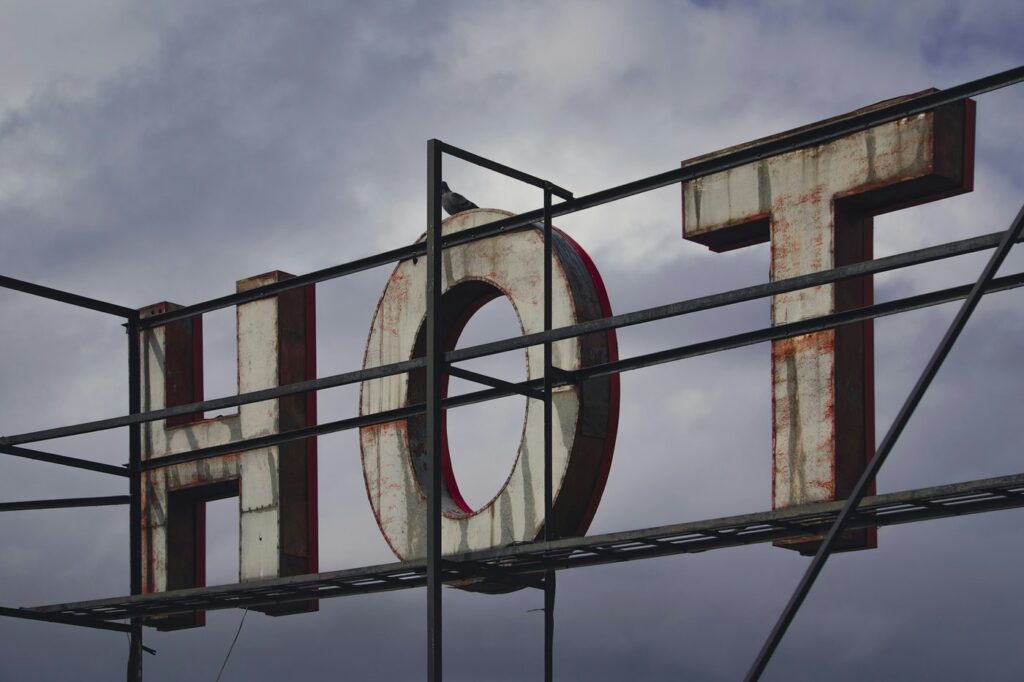
San Diego gets plenty of sunshine, and ultraviolet light is the main reason outdoor signs fade. Reds and yellows often lose their punch first. Plastics that are not UV-stabilized can yellow, turn brittle, or develop fine surface cracks. Paint can chalk, leaving a dull, powdery surface. A south- or west-facing sign with no shade will age faster than the same sign under an awning.
Salt air near the coast
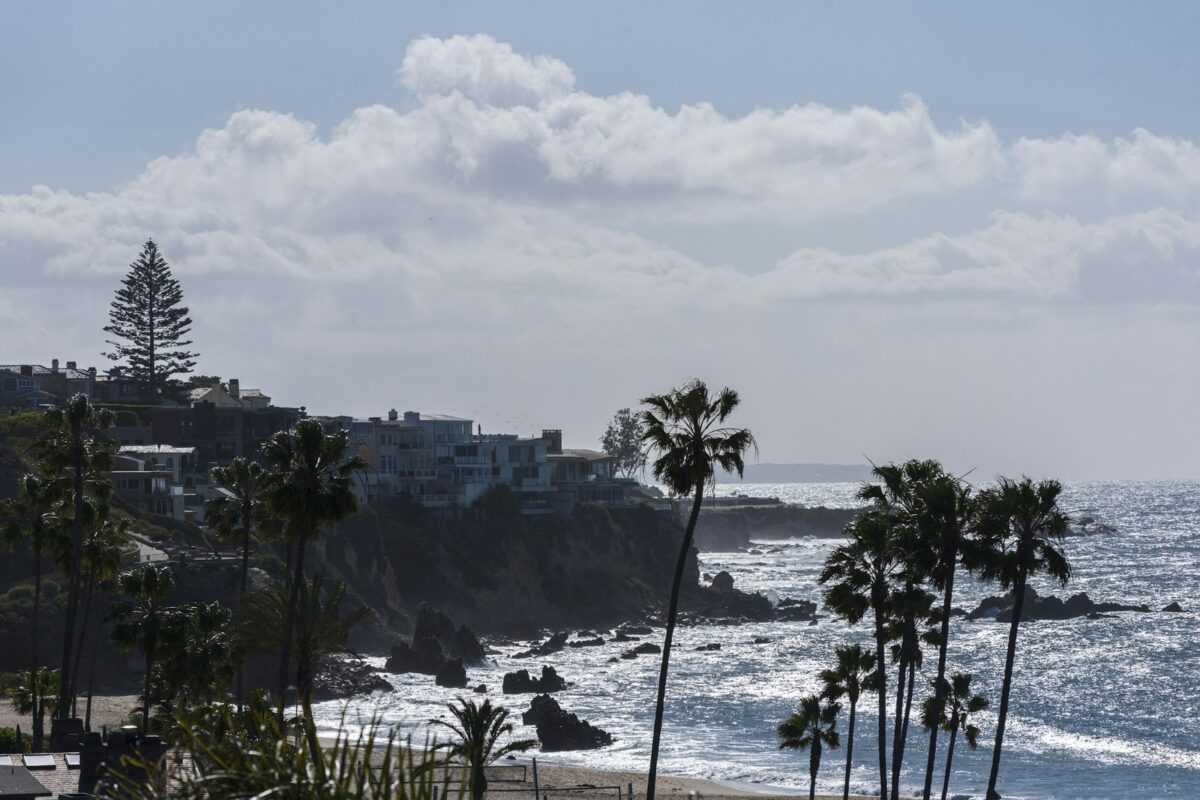
Businesses in beach communities and along the bay deal with airborne salt. Salt settles on surfaces, holds moisture, and speeds up corrosion of metals, especially plain steel and low-grade hardware. It also works its way into gaps around fasteners and seams. A sign a few blocks from the water will usually need better materials and more maintenance than one far inland.
Marine layer and moisture
The morning marine layer brings damp air and condensation to coastal areas for much of the year. Moisture that collects inside sign cabinets or channel letters can affect electrical components and encourage corrosion from the inside out.
Inland heat and temperature swings
Farther from the coast, signs face more heat and larger swings between day and night. Materials expand and contract with temperature. Thin plastics and dark-colored panels in direct sun can warp, and adhesives can weaken. Dry, gusty Santa Ana wind events also test how securely a sign is attached.
How do common sign materials compare?
No material is best for every sign. The right choice depends on the sign type, location, budget, and how long you need it to last.
| Material | Common uses | Watch out for |
|---|---|---|
| Aluminum | Sign cabinets, channel letter returns, monument sign faces | Corrosion at cut edges and scratches in salty air; needs a quality painted or powder-coated finish |
| Aluminum composite (ACM) | Wall panels and post-and-panel signs | Exposed core along the edges; framed or returned edges last longer |
| Acrylic | Lit sign faces, dimensional letters, interior lobby signs | Can crack on impact; use UV-stabilized outdoor grade |
| Polycarbonate | Large illuminated cabinet faces, high-traffic areas | Can yellow without a UV-resistant grade |
| PVC and foam board | Interior signs, short-term promotions, sheltered spots | Can soften or warp in direct sun |
| High-density urethane (HDU) | Carved and sandblasted dimensional signs | Relies on a quality primer and paint system |
| Wood | Signs with a traditional look | Needs the most upkeep; checks, peels, and rots if the finish lapses |
| Steel and stainless steel | Structural supports and some cabinets | Uncoated steel rusts quickly near the coast; grade 316 stainless is often preferred |
Aluminum
Aluminum is a workhorse for outdoor signs. It is light, strong for its weight, and does not rust the way steel does. It can still corrode in salty environments, particularly at cut edges and scratches, so a quality painted or powder-coated finish matters. Fabricated aluminum is common for sign cabinets, channel letter returns, and monument sign faces.
Aluminum composite material (ACM)
ACM is a sandwich of two thin aluminum skins around a plastic core. It stays flat, is easy to cut and route, and takes printed graphics well, which makes it popular for wall panels and post-and-panel signs. The exposed core along the edges is the weak point, so framed or returned edges look better and hold up longer in exposed locations.
Acrylic
Acrylic offers clarity and a clean, finished look. It is common for lit sign faces, dimensional letters, and interior lobby signs. Outdoor-grade acrylic with UV stabilization resists yellowing. It is more rigid and can crack on impact, so it is a less natural fit for large faces in spots where the sign might get hit.
Polycarbonate
Polycarbonate is tougher than acrylic and flexes instead of cracking, which is why it is often used for large illuminated cabinet faces and signs in high-traffic areas. Without UV protection it can yellow over time, so specify a UV-resistant grade for outdoor use.
PVC and foam board
Expanded PVC is inexpensive and easy to work with. It is a good choice for interior signs, short-term promotions, and sheltered locations. In direct sun, especially in dark colors, it can soften or warp, so it is not a long-term answer for exposed exterior signs.
High-density urethane (HDU)
HDU is used for carved and sandblasted signs with a dimensional, classic look. It does not rot like wood, and it holds detail well. Its durability depends on the paint system that protects it, so budget for quality primer and finish coats.
Wood
Wood has character, and it suits certain neighborhoods and brands. It also needs the most upkeep. Sun, moisture, and temperature changes cause checking, peeling, and eventually rot if the finish is not maintained.
Steel and stainless steel
Painted or galvanized steel is used for structural supports and some cabinets. Uncoated steel rusts quickly near the coast. Stainless steel resists corrosion much better, and for coastal locations many fabricators prefer grade 316 over grade 304 because it holds up better against chlorides like salt.
How do graphics, paint, and protective finishes affect sign life?
The substrate is only half the story. Faded graphics are one of the most common complaints about outdoor signs.
- Cast vinyl versus calendered vinyl. Cast vinyl is generally more dimensionally stable and better suited to long-term outdoor use and curved surfaces. Calendered vinyl costs less and works for flat surfaces and shorter lifespans.
- Overlaminates and clear coats. A UV-resistant laminate over printed graphics protects inks from fading and adds scratch resistance.
- Paint systems. Sign-grade paint systems with proper primers bond better and resist chalking. Ask what your fabricator uses and whether a clear coat is included.
- Color choice. If a sign faces full afternoon sun, discuss how your brand colors are likely to age, and whether a slightly different shade or finish would hold up better.
Why are hardware and fasteners the hidden weak point?
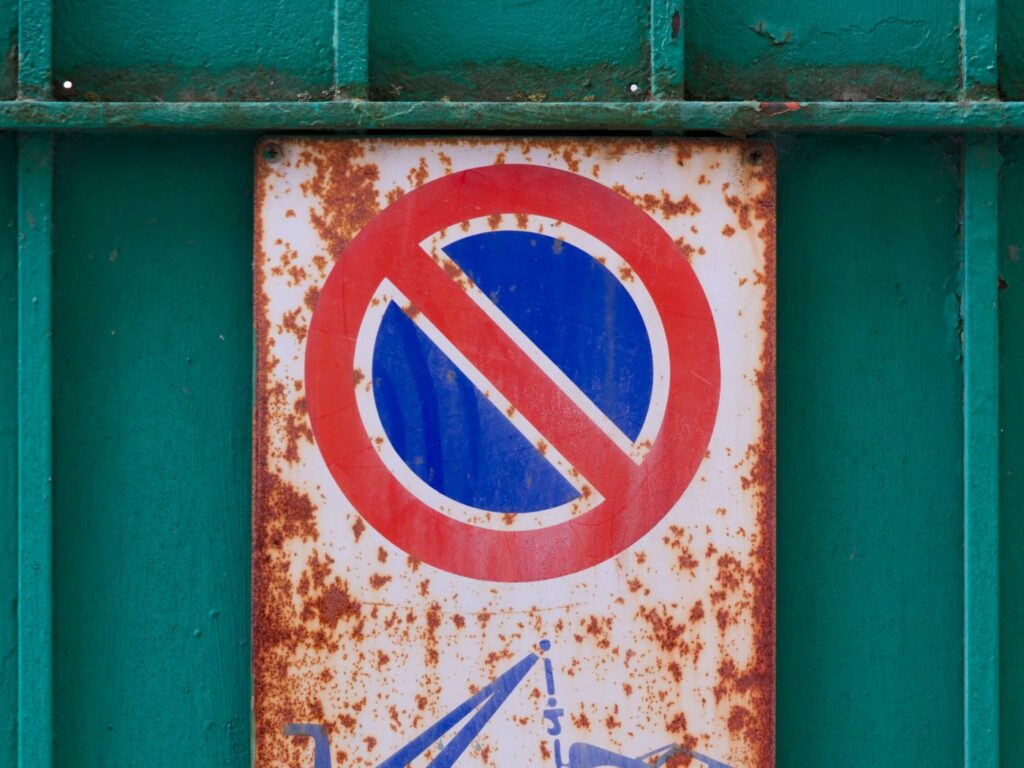
Many sign failures start at the connections, not the sign face. Near the coast, fasteners are often where rust appears first, and those rust streaks can stain the building.
- Use stainless steel fasteners for exterior signs, especially near the water.
- Avoid mixing metals that react with each other. Steel hardware in contact with aluminum in a salty, damp environment can lead to galvanic corrosion. Isolation washers or compatible hardware help.
- Seal penetrations into the building so water does not get behind the sign or into the wall.
- For monument and post signs, look at how the footing and base handle water and irrigation overspray.
How do illuminated signs hold up in coastal conditions?
Lighting adds another layer. Channel letters and cabinet signs typically include drain or weep holes so condensation can escape, and those openings need to stay clear. LED modules and power supplies rated for outdoor or damp locations, installed and sealed properly, are better suited to marine air. Ask where power supplies will be mounted and how you will reach them for service. Electrical work should be done by qualified installers and meet local code.
Which materials suit each sign type?
Here is how these materials tend to line up with common sign types. Your sign company can refine this for your site.
- Storefront wall signs and channel letters: fabricated aluminum with quality finishes, acrylic or polycarbonate faces, and stainless hardware.
- Monument signs: aluminum cabinets, HDU, or masonry bases with durable faces, and a base detail that keeps water and sprinklers in mind.
- Projecting or blade signs: ACM or aluminum panels with protected edges, mounted on corrosion-resistant brackets.
- Post-and-panel and directional signs: ACM or aluminum with laminated graphics.
- Temporary or promotional signs: PVC, corrugated plastic, or vinyl banners where long life is not the goal.
- Interior signs: acrylic, PVC, and other materials that would struggle outside but look great indoors. For room and restroom signs, the ADA also calls for a non-glare finish, which our guide to ADA sign requirements explains.
If you are planning a custom project, our guide to custom signs in San Diego walks through the design side of the process.
What simple maintenance extends sign life?
Even the best materials last longer with a little care:
- Rinse coastal signs with fresh water periodically to remove salt buildup, using gentle cleaners that will not scratch faces or laminates.
- Inspect fasteners, brackets, and sealant at least once a year and replace anything showing rust or cracking.
- Keep drain holes in lit signs clear, and replace failing LEDs or power supplies promptly.
- Watch for fading and plan to refresh vinyl graphics before they look worn.
- Trim landscaping that rubs against the sign or holds moisture against it.
Frequently asked questions
What is the most durable sign material for a beach-area business?
There is no single answer, but many coastal signs use aluminum or ACM with quality finishes, UV-protected graphics, and stainless steel hardware. The finish and fasteners matter as much as the panel itself.
Why did my sign fade so quickly?
Common causes include direct sun, graphics without UV protection, lower-grade vinyl, or inks and paints not rated for long outdoor exposure. Ask about laminates and cast vinyl on your next sign.
Is acrylic or polycarbonate better for a lit sign face?
Acrylic offers excellent clarity and a crisp look. Polycarbonate is more impact-resistant and flexible, which suits larger faces and busy locations. Choose UV-resistant grades either way.
Are wood signs a bad idea in San Diego?
Not necessarily. Wood can work well with a good finish and a commitment to maintenance. HDU offers a similar look with less upkeep.
How much will a weather-resistant sign cost?
Costs vary widely by size, materials, lighting, and installation. The best approach is to get detailed quotes from a few local sign companies that spell out the materials, finishes, and hardware they plan to use.
Final thoughts
San Diego’s climate is a big part of why people want to live and do business here, but sun, salt, moisture, and heat all take a toll on signs. Choosing the right materials means thinking about where your sign will stand, which way it faces, and how close it is to the water. Pair durable substrates with UV-protected graphics and corrosion-resistant hardware, keep up with simple maintenance, and your sign will keep representing your business well for years.