
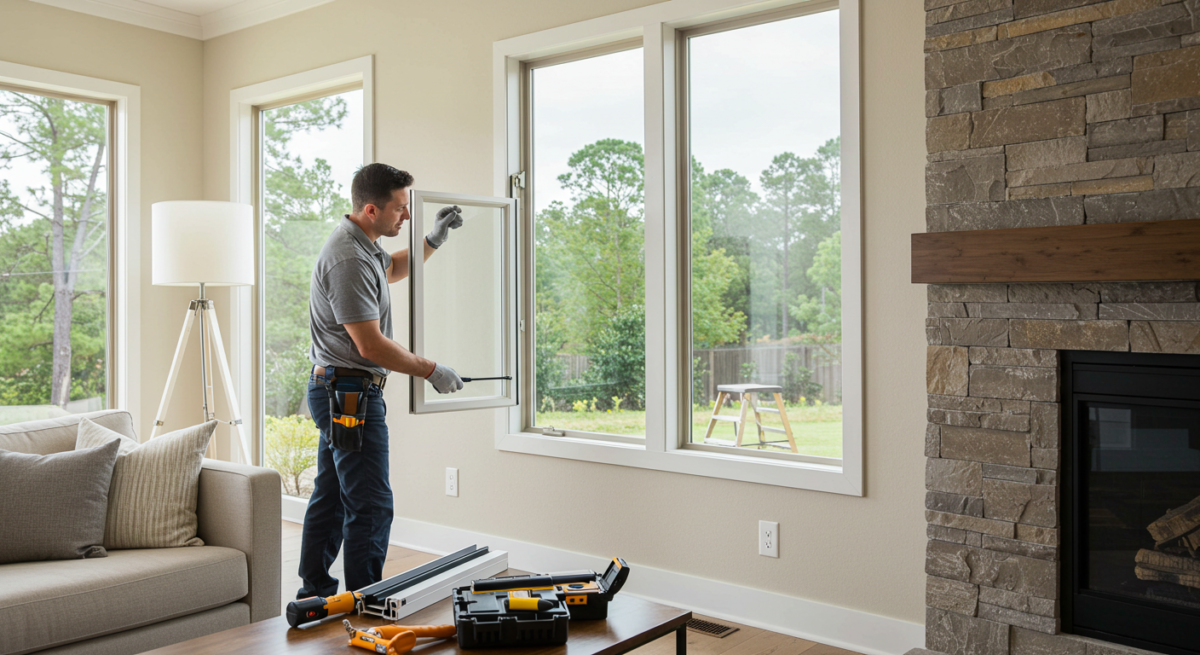
Replacing windows in a San Diego home is usually worth it when frames are failing, glass fogs between panes, windows stick or leak, or rooms stay hot and noisy. The best results come from choosing a frame material and glass package suited to your area’s sun, salt air and temperature swings, and from careful measuring and installation.
When should you replace your windows?
Windows do not need to be replaced just because they are old, but these signs suggest it is time:
- Fog or condensation between the panes of dual-pane glass, which means the seal has failed
- Rotting, warped or cracked frames
- Drafts, rattling or water getting in during storms
- Sashes that are hard to open, close or lock
- Rooms that overheat in afternoon sun or let in a lot of street noise
- Single-pane glass that makes heating and cooling less efficient
Sometimes a repair is enough. Hardware, weatherstripping and balance or track problems can often be fixed without replacing the whole unit, so ask an installer to explain both options.
Which frame materials work best in San Diego?
Each common frame material has trade-offs:
| Frame material | Strengths | Things to consider |
|---|---|---|
| Vinyl | Low maintenance, good insulation, widely available | Limited color options on some lines; quality varies by manufacturer |
| Fiberglass | Very stable in heat, strong, can be painted | Usually costs more than vinyl |
| Aluminum | Slim frames, strong, modern look | Conducts heat unless it has a thermal break; finish quality matters near the coast |
| Wood and clad wood | Traditional appearance, good insulation | Needs more upkeep, especially where salt air and sun are intense |
Coastal homes should pay attention to hardware and finishes that resist corrosion, while inland homes benefit most from glass that blocks solar heat.
What glass options improve comfort and efficiency?
Dual-pane insulated glass is the standard for replacement windows. Low-E coatings reflect infrared heat while letting in visible light, which helps keep rooms cooler and protects floors and furniture from fading. Some units add inert gas fills between the panes. Laminated glass can reduce outside noise and adds security. Look for the NFRC label, which lists ratings such as U-factor and solar heat gain coefficient so you can compare products fairly.
California’s energy code sets efficiency requirements for replacement windows, so a reputable installer should be able to explain which products meet them.
Which window styles should you consider?
- Sliding windows: common in Southern California homes, simple to operate, good for wide openings.
- Single- and double-hung: classic look; double-hung windows are easier to clean.
- Casement windows: crank outward and seal tightly, good for catching breezes.
- Picture windows: fixed glass for views and light.
- Bay and bow windows: add space and light to a room but require more structural work.
What happens during a window replacement project?
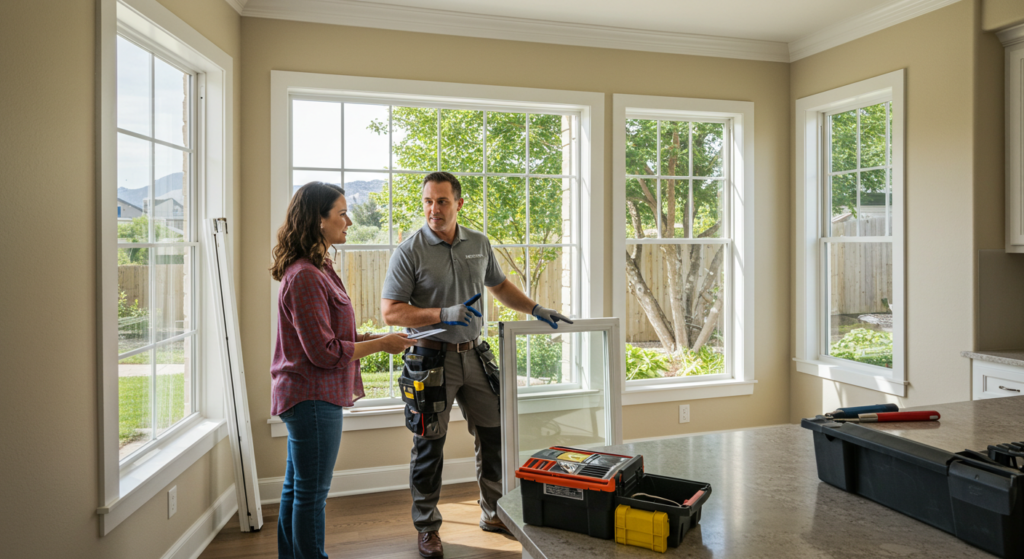
- Consultation and measuring: the installer checks each opening and discusses styles, materials and glass.
- Ordering: most replacement windows are made to fit, so accurate measurements are essential.
- Removal: old sashes or full frames are removed, depending on whether it is an insert or full-frame installation.
- Installation: new units are set level and square, then flashed, sealed and insulated to keep water and air out.
- Finishing and cleanup: trim or stucco is repaired as needed, and the installer checks that each window operates smoothly.
Some projects require a building permit, and homes in historic districts or HOAs may have design rules, so confirm requirements before ordering.
How do you choose a window installer?
Look for a contractor with a valid California license, proof of insurance, clear written estimates and references from recent local jobs. Ask which manufacturer they use, what the warranty covers, and who handles service if a problem comes up. Getting more than one quote makes it easier to compare scope and products. For deeper reading on specific product lines, measurements and installation details before you talk to installers, Window Replacement San Diego publishes local window replacement news and guides.
How do new windows affect heating and cooling?
Better windows reduce heat gain in summer and heat loss on cool nights, which can ease the load on HVAC systems and help rooms feel more even. The effect is largest when single-pane glass or leaky frames are replaced, and when windows face south or west.
How should you maintain new windows?
- Clean glass and frames with mild soap and water; avoid abrasive cleaners on coatings.
- Vacuum sliding tracks and keep weep holes clear so water can drain.
- Check weatherstripping and exterior caulking once a year.
- Rinse salt residue from frames and hardware if you live near the ocean.
Frequently asked questions
Can I replace windows one room at a time?
Yes. Many homeowners start with the windows in the worst condition or the rooms with the most sun, then finish the rest later.
Do new windows really reduce noise?
Dual-pane and especially laminated glass, combined with a tight installation, usually reduce outside noise noticeably compared with old single-pane windows.
Is fog between the panes repairable?
A failed seal usually means the glass unit needs to be replaced. Sometimes only the glass is replaced rather than the full window, depending on the frame’s condition.