

In the City of San Diego, installing or altering a sign generally requires a separate sign permit for each sign, unless the sign is on the City’s exemption list. Window signs, interior signs, temporary onsite banners, and copy changes without structural or electrical work are common exemptions. Larger signs may also need a building permit.
If you are opening a shop, moving into a new office, or finally replacing the tired sign above your storefront, the permit question tends to show up late in the process. Many business owners approve a design, sign a contract with a fabricator, and only then learn that the sign cannot go up until the city has reviewed it. That gap can cost weeks.
This guide walks through how sign permits work in the City of San Diego: which signs need one, which do not, what goes into an application, and where projects tend to get held up. It is based on the City’s own published guidance, mainly Information Bulletin 111, “How to Obtain a Permit for Signs” from the Development Services Department, and the sign sections of the San Diego Municipal Code. Rules and fees change, so treat this as a map for planning, and confirm the details with the City or your sign company before you build.

Which jurisdiction is your business in?
“San Diego” means different things on a map. The City of San Diego has its own sign regulations and its own permit process. Neighboring cities in the county, such as Chula Vista, Oceanside, Escondido, Carlsbad, and El Cajon, write and enforce their own rules. Businesses in unincorporated communities fall under the County of San Diego instead.
Everything below applies to properties inside City of San Diego limits. If your address is in another city, the general ideas will still help you ask the right questions, but the thresholds, forms, and fees will be different. A quick call to your city’s planning or building department before you finalize a design is time well spent.
When does the City require a sign permit?
The starting point is simple. According to IB-111, a separate sign permit is required for the installation or alteration of any sign, unless the sign falls into one of the listed exemptions. The Municipal Code also says that a separate permit is required for each sign on a premises (Chapter 12, Article 9, Division 8). A storefront with a wall sign, a blade sign, and a monument sign out by the driveway is looking at three permits, not one.
Which signs are usually exempt?
IB-111 lists a number of sign installations that do not need a sign permit. The ones business owners run into most often include:
- Changing the copy on an existing sign, or maintaining a sign, when the work does not involve structural or electrical changes.
- Interior signs, except theater lobby signs.
- Window signs.
- Real estate signs and construction site signs that are not illuminated.
- Small nameplate or address signs with letters no taller than three inches, no larger than four square feet, and not illuminated.
- Non-illuminated warning signs such as “no parking” that stay within the size limit in the bulletin and do not project over the public right-of-way.
- Temporary onsite banners, streamers, and pennants.
One point is easy to miss. Being exempt from a permit is not the same as being exempt from the rules. The City’s sign regulations in Chapter 14, Article 2, Division 12 state that they apply to all construction in the City whether or not a permit is required. A window sign or banner still has to follow the regulations that cover it. The same goes for accessibility: interior room, restroom, and exit signs do not need a sign permit, but they still have to meet the ADA and California accessible sign requirements.
When do you need a building permit as well?
Some sign projects go beyond a sign permit. IB-111 says a building permit will be required when the sign requires structural alterations to an existing building, when the California Building Code calls for special inspections, for ground and monument signs more than seven feet tall, and in cases where the City’s structural reviewer decides the scope calls for one. If your plan involves new framing, a tall freestanding sign, or significant welding, expect the building side of Development Services to be involved.
| Situation | Sign permit needed? | Notes |
|---|---|---|
| New or altered wall, projecting, roof, or ground sign | Yes, one per sign | Each sign on a premises needs its own permit |
| Copy change or maintenance with no structural or electrical changes | No | Listed exemption in IB-111 |
| Interior signs (except theater lobby signs) | No | Accessibility requirements still apply |
| Window signs | No | Sign regulations still apply |
| Temporary onsite banners, streamers, and pennants | No | Sign regulations still apply |
| Ground and monument signs over seven feet tall, or signs needing structural alterations | Yes, plus a building permit | Structural calculations may also be required |
What goes into a sign permit application?
A complete application is the single biggest factor you control. IB-111 notes that incomplete submissions may be rejected until everything required has been provided. The bulletin lists these core items.
Forms
The Project Contacts Information form (DS-345) is required. An Owner-Builder Verification form (DS-3042) is needed in some cases, typically when the owner is acting as the builder rather than hiring a licensed contractor.
Sign plans
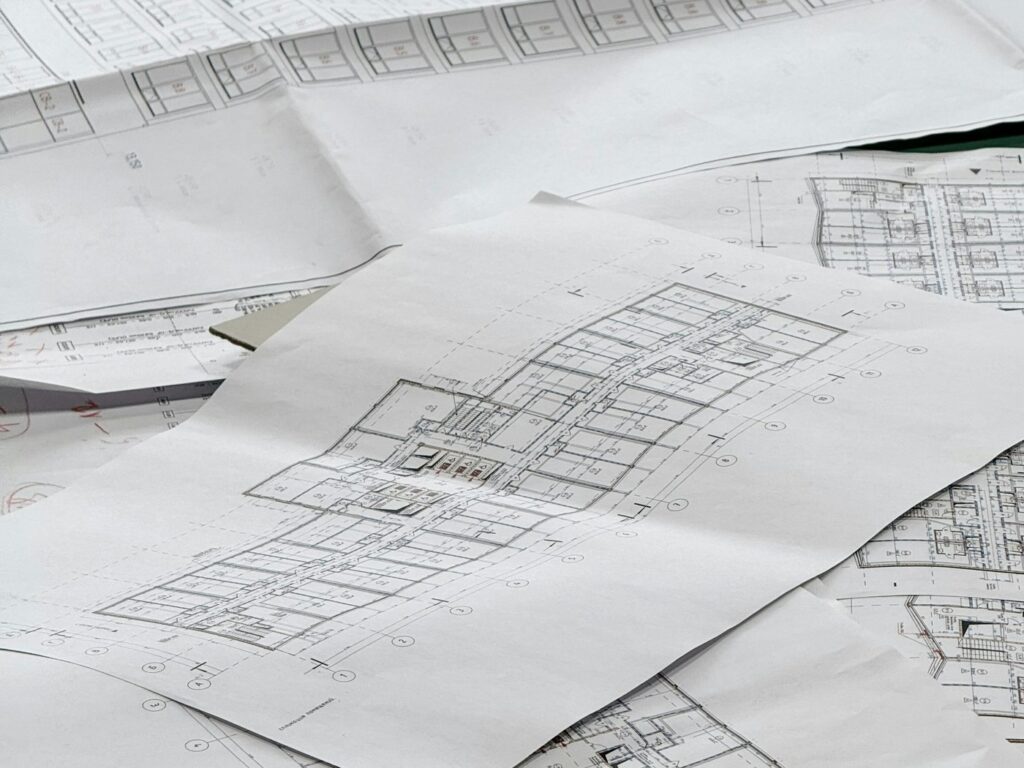
The plans need to include project information such as the scope of work and owner or tenant details, plus:
- A site plan showing property lines, structures, all existing and proposed signs with dimensions, the street right-of-way and speed limit, and a north arrow. If you are proposing a ground sign, the site plan should also show the 25-foot visibility area and the distance from the sign to property lines.
- A sign schedule that lists every proposed sign, its type, its copy area, and whether it is illuminated.
- Elevation drawings with the sign dimensions, the sign copy, and, for wall signs, the tenant frontage dimensions.
- Connection or attachment details and footing details where applicable.
Tenant frontage matters because the allowable size of a wall sign is tied to the building and the street it faces. If that measurement is missing or unclear, plan check has no way to confirm the sign is allowed at the size you want.
When are structural calculations required?
For larger or heavier signs, the City wants calculations prepared by a California-registered architect or engineer showing that the sign can resist seismic, wind, and dead loads. According to IB-111, that applies to:
- Monument signs more than six feet tall, measured from the lowest grade to the top of the sign.
- Pole signs more than eight feet tall with more than 50 square feet of sign area.
- Wall signs larger than 70 square feet or heavier than 600 pounds, counted per sign box or per channel letter. Fasteners into the building can be no more than four feet apart in each direction unless calculations are provided.
- Awning or canopy signs more than six feet tall.
- Roof signs.
- Larger project signs, as defined in the bulletin.
Historic properties
If the building may be a historic resource, the City can ask for a photographic survey and the Assessor’s building record so it can review potential impacts. IB-111 points to Information Bulletin 580 for that review, and notes that properties requiring historic review may take longer to process. If your storefront is in an older building, ask early whether this applies.
What rules shape what you can build?
Getting a permit is partly paperwork and partly design. The Municipal Code sets maximum copy areas, minimum and maximum dimensions, and location rules for each sign type visible from the public right-of-way. A few points from IB-111 are worth knowing before you fall in love with a concept:
- A projecting sign is one attached to the wall that sticks out more than 18 inches. One is allowed per premises with accessible street frontage, and it cannot be combined with a ground sign or a roof sign.
- A roof sign is one attached to the roof or projecting above the roof or eave. One is allowed per premises with street frontage, it cannot be combined with a ground or projecting sign, and roof signs are not permitted in the Coastal zones. For businesses near the beaches, that alone can rule out a design.
- Wall signs, projecting signs, roof signs, and ground signs each have their own code section with detailed limits.
Some properties carry extra conditions from an earlier discretionary permit, such as a planned development or a shopping center approval. The City’s Sign Permit page also notes that certain sign types, including automatic changing copy signs, revolving signs, theater marquees, and community entry signs, may require a discretionary permit. If you are in a multi-tenant center, your lease or the center’s sign criteria may add another layer on top of city rules, so get your landlord’s written approval early.
How do you apply, and what does it cost?
Sign permit applications are submitted through an online permitting account with the City. Plan check fees are paid before review starts, and if the work needs inspections, those fees are invoiced when the permit is issued.
Fees are listed in Table 1 of IB-111 and vary by sign type, whether the sign is electric, and how many signs are on the application. Each side of a multi-sided sign is counted as a separate sign and charged separately, which surprises people with double-faced blade or monument signs. As one example from the May 2026 version of IB-111, plan check for a single non-electric awning or wall sign was listed at $793.95, and every sign permit application also carried a General Plan Maintenance fee of $737.00 and a mapping fee of $12.16. The City updates these figures, so check the current bulletin before you budget, and remember that the sign itself, engineering, electrical work, and installation are separate costs you will want quoted.
How can a sign company help with permits?
Many local sign companies prepare permit drawings and submit applications as part of their service, and some leave it to the customer. Ask before you sign a contract:
- Who prepares the site plan, sign schedule, and elevations, and who submits them?
- Will the design need structural calculations, and is the engineering included in the quote?
- Does the schedule allow time for plan check, and for historic or discretionary review if your property needs it?
- Who coordinates the electrical connection for an illuminated sign?
A good fabricator will also tell you when a design is likely to run into trouble, for example a roof sign on a coastal property or a wall sign that is larger than the frontage allows. If you are still weighing options, our overview of San Diego signage services covers the different sign types and what they are good for.
What common mistakes slow approval?
Most delays come from a handful of avoidable problems:
- Installing first and applying later. Unpermitted signs can lead to enforcement and removal, which costs far more than waiting.
- Leaving tenant frontage off wall sign elevations.
- Forgetting that each face of a double-sided sign counts separately.
- Assuming that because a window sign is exempt, a similar graphic on the wall is too.
- Submitting a monument or pole sign without footing details or calculations when the height triggers them.
- Not checking lease or center sign criteria before paying for a design.
Frequently asked questions
Do I need a permit to swap the face on my existing sign?
Under IB-111, changing the copy of a sign or maintaining it does not need a sign permit as long as the work involves no structural or electrical changes. If you are replacing the cabinet, adding lighting, or changing how the sign attaches to the building, that is an alteration and a permit is likely required.
Are window graphics exempt?
Window signs are on the City’s exemption list, so they do not need a sign permit. They are still covered by the sign regulations, so keep them within what the code allows.
How long does a sign permit take?
The City does not publish a single turnaround time for every sign. A complete application with clear drawings moves fastest. Properties with a prior discretionary permit or that need historic review can take longer, according to IB-111.
Can I put a roof sign on my building near the beach?
Roof signs are not permitted in the Coastal zones. If your property is near the coast, check whether it sits in the coastal zone before designing anything that mounts on or above the roof line.
Do these rules apply in Chula Vista, Escondido, or unincorporated areas?
No. This guide covers the City of San Diego. Other cities and the County of San Diego each have their own sign regulations and permit processes.
Final thoughts
A new sign is one of the most visible investments a local business makes, and the permit is part of doing it right. Confirm your jurisdiction, find out early whether your sign needs a sign permit, a building permit, or engineering, and put together a complete set of drawings with the site plan, sign schedule, and elevations the City asks for. Work with a sign company that knows the process, keep the official bulletin handy, and build permit review into your opening timeline instead of discovering it at the end.